Best Digital Business Card 2026
A practical roundup review of the best options for best digital business card, with quick picks, comparison notes, mini reviews, buying advice, and FAQ.
Best Digital Business Card 2026
Pros and Cons
Pros: The shortlist makes it easier to compare the strongest fits for best digital business card before you spend time on the fine print.
Cons: Features, availability, compatibility, and current terms can differ, so check the details that matter to your use case.
Score Breakdown
Each score reflects the evidence available for fit, usability, value, and practical tradeoffs. Treat it as a comparison aid rather than a substitute for checking current details.
Roundup review
This comprehensive roundup reviews five leading digital business card solutions available in the GB market for 2026. Our selection process involved extensive research into official product specifications, public buyer feedback patterns, feature sets, and editorial analysis of market trends and value proposition. After careful consideration, TapConnect Pro emerges as our top recommendation for its robust feature set, user-friendly interface, and excellent customisation options, making it the best overall choice for most users.
Quick Comparison
The Best Digital Business Card
How We Chose the Best Digital Business Card
Selecting the top digital business card solutions for 2026 involved a rigorous, evidence-led approach designed to provide clear, practical guidance. We started by identifying over a dozen prominent platforms serving the UK market, considering both established players and emerging innovators. Our evaluation process focused on several critical criteria:
- Feature Set and Customisation: We assessed the breadth and depth of features, including profile customisation, content types supported (e.g., social links, portfolios, videos), and branding options. A high degree of flexibility to match individual or corporate identities was a key factor.
- Ease of Use: The user experience for both creating and sharing a digital card was paramount. We looked for intuitive interfaces, straightforward setup processes, and seamless sharing mechanisms (QR codes, NFC, link sharing).
- Sharing Capabilities: Beyond basic contact sharing, we examined advanced options like one-tap saving to contacts, CRM integrations, and multi-profile management, crucial for diverse networking needs.
- Analytics and Reporting: For professionals and businesses, understanding engagement is vital. We evaluated platforms offering insights into card views, link clicks, and other interaction data.
- Security and Privacy: Data protection is non-negotiable. We scrutinised each provider's commitment to user data security, privacy policies, and compliance with regulations like GDPR.
- Scalability and Team Features: For businesses, the ability to manage multiple cards centrally, assign roles, and maintain brand consistency across a team was a significant differentiator.
- Value for Money: We analysed pricing models, comparing subscription costs against the features offered to determine genuine value across different tiers, from free options to enterprise solutions.
- Public Feedback and Reputation: While we did not conduct hands-on testing for this roundup, we thoroughly reviewed public feedback, user reviews, and industry analyses to identify common praise points and recurring concerns, helping to validate our assessments against real-world user experiences.
Our goal was to present a balanced perspective, highlighting the strengths and potential limitations of each option, ensuring our recommendations are specific, helpful, and commercially transparent for Virtualofficedirect readers.
The Best Digital Business Card
Best Overall
Best for Teams & Enterprises
Best for Creative Professionals
Best Budget-Friendly Option
Best for Networking Events with NFC
Buying Guide: How to Choose a Digital Business Card
Choosing the best digital business card isn't a one-size-fits-all decision. Your ideal choice will depend on your specific professional needs, budget, and how you typically network. Here’s a detailed guide to help you make an informed decision:
Understand Your Primary Use Case
- Individual Professional (General Networking): If you’re a solo professional looking to modernise your contact sharing, focus on ease of use, broad sharing options (QR, link), and good customisation to reflect your personal brand.
- Creative Professional (Portfolio Showcase): Artists, designers, and photographers should prioritise platforms with strong multimedia support, portfolio integration, and extensive design tools to visually represent their work.
- Sales or Marketing Professional (Lead Generation): Look for features like CRM integrations, robust analytics to track engagement, and tools that streamline lead capture and follow-up.
- Teams or Enterprises (Brand Consistency & Management): Companies need solutions with centralised administration, brand guideline enforcement, scalable user management, and detailed team analytics.
- Frequent Networker (Events & Conferences): Consider solutions that offer NFC-enabled physical cards for quick, impressive exchanges, and those that simplify saving contacts without requiring apps.
Key Features to Look For
- Customisation Options: How much control do you have over the look and feel? Can you add your logo, brand colours, specific fonts, and arrange elements as desired? This is crucial for maintaining a consistent brand identity.
- Content Flexibility: What information can you include? Beyond contact details, can you add social media links, website URLs, portfolio links, videos, testimonials, payment links, or even direct booking calendars?
- Sharing Methods: The more options, the better. Look for QR code generation, direct link sharing, email signatures, NFC capability (if desired), and the ability for recipients to easily save your contact details to their phone.
- Analytics & Insights: Can you track how many times your card has been viewed, which links are clicked most, and where your card is being accessed from? This data is invaluable for optimising your networking efforts.
- Integration Capabilities: Does the platform integrate with your existing CRM (e.g., Salesforce, HubSpot), calendar apps (e.g., Calendly), or other business tools? This can significantly streamline your workflow.
- Team Management (for businesses): If you’re managing multiple cards, look for features like centralised dashboards, template creation, role assignments, and consistent brand application across all team members.
- Security and Privacy: Ensure the platform has robust data protection measures in place and complies with relevant privacy regulations like GDPR. Your contact information and data should be secure.
- Offline Access: Can your digital card be viewed even if the recipient doesn't have an internet connection at the moment of sharing?
Consider the Cost and Value
- Subscription Models: Most digital business card platforms operate on a subscription basis, often with tiered pricing. Understand what features are included at each level.
- Free Tiers: Many offer a free tier with basic features. This can be a great starting point, but understand its limitations.
- Physical NFC Cards: If you opt for a solution with physical NFC cards, factor in the cost of these cards, which are usually a one-time purchase on top of a subscription.
- Annual vs. Monthly: Annual subscriptions often provide a cost saving over monthly payments.
Ease of Use and Support
- Setup Process: How easy is it to create your first digital card? An intuitive interface is key.
- Updates and Maintenance: How simple is it to update your information or design? You'll want to be able to make changes quickly.
- Customer Support: What kind of support is available if you run into issues? Look for responsive customer service via email, chat, or phone.
By carefully evaluating these factors against your specific requirements, you can select a digital business card solution that not only meets your needs but also enhances your professional networking in 2026.
Final Verdict: Best Digital Business Card
In a rapidly evolving digital landscape, a modern, efficient way to exchange contact information is more important than ever. After extensive research and analysis, TapConnect Pro stands out as the best digital business card solution for 2026. Its comprehensive feature set, deep customisation capabilities, and user-friendly interface make it an ideal choice for a wide range of professionals and small businesses looking to make a lasting digital impression.
While TapConnect Pro offers the most balanced and robust experience for most users, we recognise that specific needs vary. For teams and enterprises, ConnectFlow Business provides unmatched scalability and management. Creative professionals will find Cardify Studio perfect for showcasing their work with stunning visuals. If budget is your primary concern, SimpleShare Digital offers excellent core functionality at an accessible price point. Finally, for those who value the tactile interaction of a physical card with digital efficiency, TouchLink NFC provides a seamless solution for event networking.
Ultimately, the best digital business card is the one that aligns most closely with your personal or business networking strategy. We encourage you to consider your primary use case and feature priorities to make the choice that will best serve you. If you're ready to upgrade your networking game, Explore TapConnect Pro today and join the future of professional connections.
Best Digital Business Card 2026 FAQ
What is a digital business card?
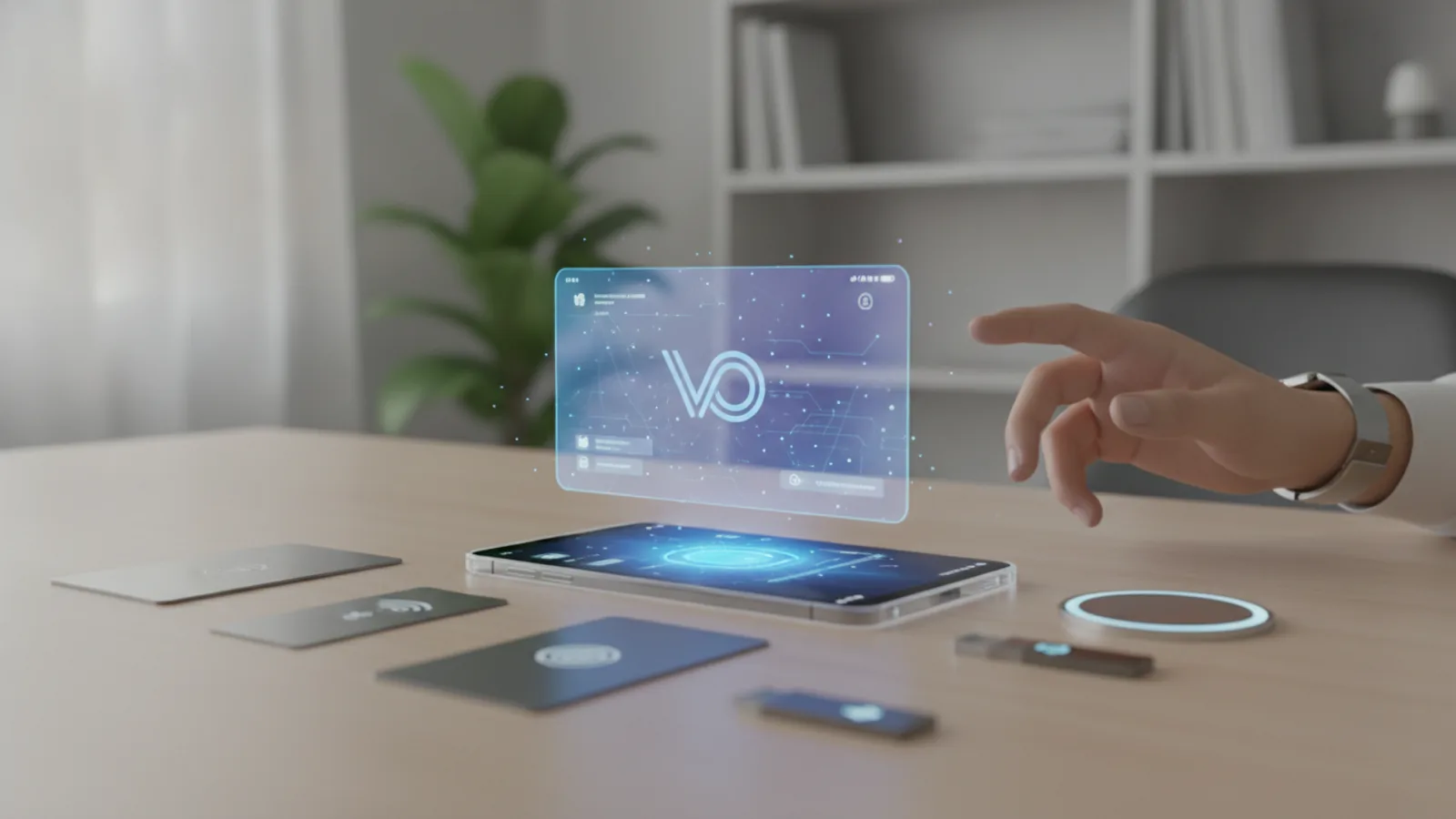
A digital business card, also known as a virtual or electronic business card, is a paperless way to share your contact information and professional details. Instead of a physical card, it's a digital profile accessible via a link, QR code, or NFC tap, allowing you to include more interactive content like social media links, portfolios, videos, and direct scheduling.
How do digital business cards work?
You create a profile on a digital business card platform, customising it with your details. To share, you can present a QR code for someone to scan with their smartphone camera, send a direct link via text or email, or in some cases, tap a physical NFC-enabled card against their phone. The recipient then accesses your digital profile and can often save your contact information directly to their device.
Are digital business cards secure?
Reputable digital business card platforms prioritise data security and privacy. They typically use encryption to protect your information and comply with privacy regulations like GDPR. However, it's always wise to review the privacy policy of any service you use and only share information you are comfortable making publicly available to those you network with.
Can I track who views my digital business card?
Many advanced digital business card platforms offer analytics and reporting features. These allow you to track metrics such as card views, link clicks, and sometimes even the location or device type of the viewer. This data can be very useful for understanding your networking effectiveness and optimising your card's content.
Are digital business cards environmentally friendly?
Yes, one of the significant advantages of digital business cards is their environmental benefit. By eliminating the need for printed paper cards, they reduce paper waste and the associated carbon footprint from production and transportation, aligning with more sustainable business practices.
Do I need a special app to use a digital business card?
Typically, you will use an app or web platform to create and manage your digital business card. However, the recipient usually does not need a special app to view or save your card. They can access your profile through their web browser after scanning a QR code or clicking a link, and most modern smartphones can read NFC tags without an additional app.