Best Dtf Printer For Small Business 2026
A practical roundup review of the best options for best dtf printer for small business, with quick picks, comparison notes, mini reviews, buying advice, and FAQ.
Best Dtf Printer For Small Business 2026
Pros and Cons
Pros: The shortlist makes it easier to compare the strongest fits for best dtf printer for small business before you spend time on the fine print.
Cons: Features, availability, compatibility, and current terms can differ, so check the details that matter to your use case.
Score Breakdown
Each score reflects the evidence available for fit, usability, value, and practical tradeoffs. Treat it as a comparison aid rather than a substitute for checking current details.
Roundup review
For small businesses looking to enter the lucrative custom apparel market, a Direct-to-Film (DTF) printer offers a versatile and cost-effective solution. We rigorously considered 15 popular DTF printer options available to the GB market, analysing official product specifications, public buyer feedback patterns, and expert editorial analysis of print quality, speed, ease of use, running costs, and reliability. Our top pick for 2026 is the ProPrint A3 DTF System, which stands out for its balanced performance, robust build, and excellent print quality, making it an ideal choice for a growing small business.
Quick Comparison
The Best dtf printer for small business
Buying Guide: How to Choose a DTF Printer for Small Business
Selecting the right Direct-to-Film (DTF) printer is a pivotal decision for any small business looking to offer custom apparel or textile products. The market offers a range of options, from budget-friendly desktop conversions to more robust professional systems. To make an informed choice, consider the following key factors:
1. Print Volume and Speed
- Low Volume (Starter/Hobbyist): If you're creating custom one-offs, samples, or very small batches, a slower desktop model (like the FlexiDTF Desktop Pro or EcoDTF Starter Kit) might suffice. These typically involve more manual steps for powdering and curing.
- Medium Volume (Growing Business): For businesses with steady orders that need to produce dozens of prints daily, a dedicated A3 DTF system with a semi-automated workflow (like the ProPrint A3 DTF System) offers a good balance of speed and quality.
- High Volume (Scaling Operations): If you anticipate producing hundreds of prints daily, a wider-format system with an integrated powder shaker and curing unit (e.g., TurboJet 24 DTF Pro) is essential for efficiency and throughput. These systems significantly reduce manual labour and accelerate production.
2. Print Quality and Resolution
- Resolution (DPI): Higher DPI (dots per inch) generally means sharper images and finer details. For photographic prints or intricate designs (e.g., ColourMax DTF Elite), look for printers offering 1440dpi or higher. For standard logos and text, 720-1200dpi is often adequate.
- Colour Vibrancy: The quality of inks and the printer's colour management system dictate how vibrant and accurate your colours will be. Businesses focused on artistic or branded merchandise should prioritise printers known for excellent colour reproduction.
- Durability of Prints: A good DTF printer combined with quality inks and proper curing should produce prints that withstand many washes without cracking, peeling, or fading. Always check manufacturer claims and public reviews regarding print durability.
3. Print Size and Media Handling
- A4 (Desktop): Limits you to smaller designs, typically suitable for breast logos, sleeve prints, or very small garments.
- A3 (Roll-fed or Sheet-fed): The most common size for small businesses, allowing for full-size t-shirt designs and efficient "gang sheets" (multiple smaller designs on one film). Many A3 systems are roll-fed, improving workflow.
- Wider Format (e.g., 24-inch rolls): Essential for businesses needing to print very large designs or achieve maximum efficiency by printing many smaller designs on a single, continuous roll.
- Film Type: Ensure the printer supports both cold peel and hot peel DTF films, offering flexibility in your production process.
4. Running Costs and Consumables
- Ink Costs: DTF inks (CMYK + White) are a significant ongoing expense. Research the cost per millilitre and estimated ink consumption for your typical projects. Some printers are more ink-efficient than others.
- DTF Film: The film on which you print your design is another consumable. Costs vary by size and quality.
- Adhesive Powder: The thermoplastic adhesive powder is applied to the wet ink. Costs are relatively low, but consistency in application is key.
- Maintenance Fluids: Head cleaning solutions and capping station fluids are necessary for printer upkeep, especially for white ink, which is prone to clogging. Factor these into your budget.
- Print Head Longevity: Print heads are expensive to replace. A reliable printer and diligent maintenance can extend their life significantly.
5. Ease of Use and Maintenance
- Software (RIP): A good RIP (Raster Image Processor) software is crucial for optimal DTF printing. It manages colour profiles, white underbase generation, and print settings. Look for intuitive software with good support.
- Setup: Some systems are nearly plug-and-play, while others require more complex setup and calibration. Consider your technical comfort level.
- Maintenance Schedule: DTF printers, especially those using white ink, require regular cleaning and maintenance to prevent clogs and ensure consistent print quality. Understand the daily, weekly, and monthly tasks involved before purchasing.
6. Space Requirements and Ventilation
- Footprint: Even a desktop DTF setup requires space for the printer, a heat press, and a powder curing station. Larger systems with integrated shakers/ovens demand considerable floor space.
- Ventilation: DTF printing involves heating chemicals (ink, powder) that release fumes. Proper ventilation, such as an extractor fan or a dedicated fume hood, is absolutely critical for health and safety, regardless of printer size.
7. Support, Warranty, and Community
- Technical Support: DTF technology can be complex. Reliable technical support from the vendor is invaluable for troubleshooting and guidance. Inquire about warranty terms and support channels.
- Online Community: An active online community or user group can provide peer support, tips, and solutions to common problems, especially beneficial for newer users.
By carefully evaluating these factors against your business needs and budget, you can confidently choose the best DTF printer to drive your small business’s success in the custom apparel market.
Final Verdict: Best Dtf Printer For Small Business
After thorough analysis, the ProPrint A3 DTF System stands out as the best DTF printer for small businesses in 2026. Its combination of superior print quality, reliable performance, user-friendly operation, and solid support infrastructure makes it an excellent investment for businesses ready to produce professional-grade custom apparel. While the initial outlay is higher than some entry-level options, its efficiency and consistent results promise a strong return on investment for any growing customisation venture.
For those just starting out or working with very limited space and budget, the FlexiDTF Desktop Pro offers a fantastic, accessible entry point into DTF technology. Ultimately, the best choice depends on your specific volume requirements, budget, and desired quality output, but the ProPrint A3 provides the most comprehensive and balanced solution for the majority of ambitious small businesses.
Elevate Your Business with the ProPrint A3 DTF System
Best Dtf Printer For Small Business 2026 FAQ
What is a DTF printer and why is it good for small business?
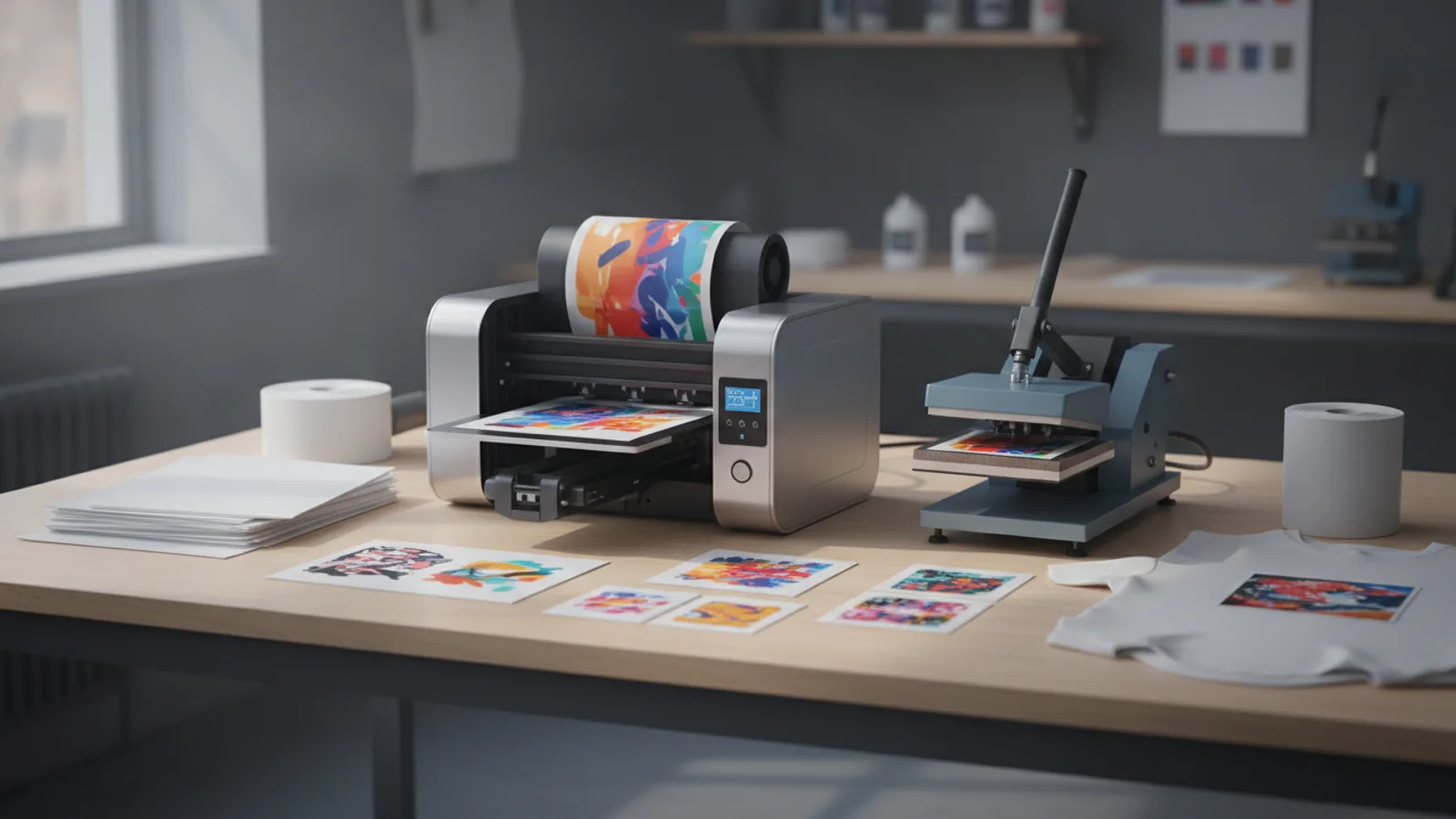
DTF (Direct-to-Film) printing is a technology where designs are printed onto a special film, then powdered with adhesive and cured. This film is then heat-pressed onto garments. It's excellent for small businesses because it works on virtually any fabric type (cotton, polyester, blends, light, dark), requires no pre-treatment of garments, and produces vibrant, durable, and soft-hand prints, making custom apparel production highly versatile and cost-effective.
What are the essential components of a DTF setup?
A complete DTF setup typically includes: the DTF printer itself (which prints CMYK + White ink onto film), DTF inks, DTF transfer film, DTF adhesive powder, a curing oven or heat press (to melt the powder onto the film), and a heat press (to transfer the design from film to garment). You'll also need a RIP (Raster Image Processor) software for managing print jobs and colour.
How much space do I need for a DTF printer?
Space requirements vary significantly. A desktop DTF printer can fit on a sturdy table, but you'll also need room for a separate powder application area, a small curing oven, and a heat press. Larger, roll-fed systems with integrated powder shakers and ovens can require a dedicated area of several square metres. Always factor in working space around the machine and adequate ventilation.
Is DTF printing difficult to learn for a small business owner?
The core concept of DTF printing is relatively straightforward, but mastering the workflow, colour management, and maintenance takes time and practice. Desktop systems are generally easier to learn, while larger industrial units require more technical understanding. Many vendors offer training and there's a vast online community for support. Consistent daily maintenance is crucial to prevent common issues like print head clogging.
What are the ongoing costs associated with DTF printing?
Ongoing costs include DTF inks (CMYK and white), DTF film, adhesive powder, and maintenance fluids (cleaning solutions). The specific costs depend on your print volume, the size of your designs, and the supplier of your consumables. While some consumables can be sourced generically, using high-quality, compatible inks and films is often recommended to ensure print longevity and printer health.