How To Start A Craft Business
A practical step-by-step guide to how to start a craft business, including preparation, instructions, common issues, tips, and next steps.
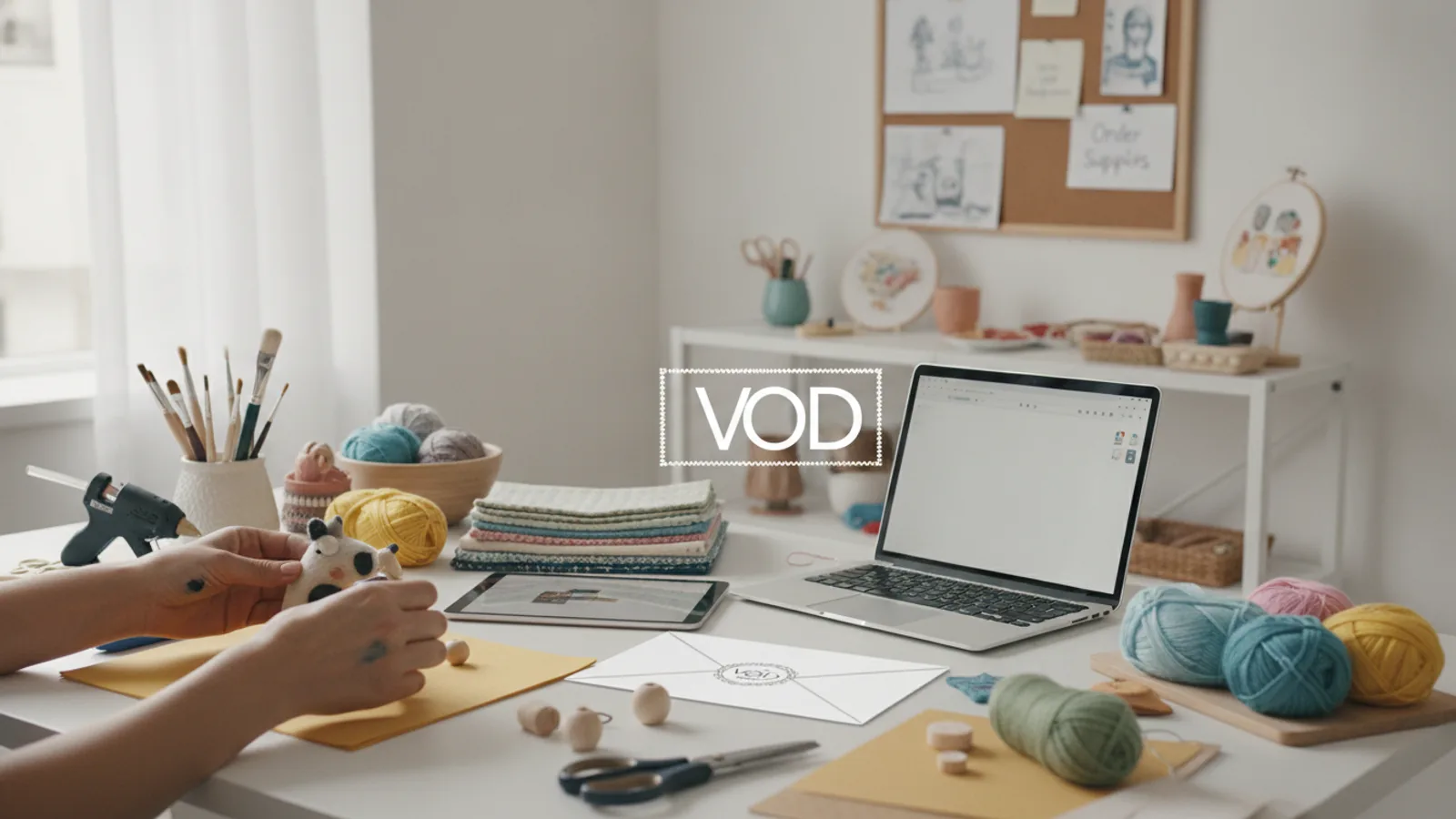
How To Start A Craft Business
This guide explains how to approach how to start a craft business, including the preparation, practical steps, common mistakes, and final checks that help you finish with confidence.
Before You Start
Step-by-Step Instructions
Quick Reference
Common Problems When You Start A Craft Business
Starting a craft business can bring unique challenges. Knowing what to watch out for can help you tackle them effectively and avoid common pitfalls.
Underpricing Your Products
Many new craft business owners undervalue their time and skill, leading to prices that barely cover costs. This makes it impossible to pay yourself, reinvest in the business, or make a sustainable income.
Fix: Revisit your pricing strategy (see Step 6). Make sure you account for all material costs, your hourly rate for crafting, packaging, selling fees, and a profit margin. Don't be afraid to charge what your handmade items are genuinely worth.
Lack of Visibility or Sales
You've made beautiful crafts, but no one seems to be finding them. This can be disheartening and often comes from a lack of effective marketing or a clear understanding of your target audience.
Fix: Strengthen your online presence with professional photos and consistent social media activity. Engage with potential customers and use relevant keywords in your product descriptions. Explore local craft markets to get direct feedback and make in-person sales.
Struggling with Time Management
Balancing crafting, marketing, customer service, and administrative tasks can quickly become overwhelming, especially when you're working solo. This can lead to burnout and missed deadlines.
Fix: Create a realistic schedule for different tasks each week. Use tools to help manage orders, inventory, and social media. Learn to identify tasks that can be batched together or simplified. Don't be afraid to take breaks and avoid overcommitting.
Legal and Tax Confusion
Navigating HMRC registrations, understanding income tax, and knowing about any specific regulations for your products can seem daunting. Many new business owners postpone this, leading to potential issues later on.
Fix: Seek initial advice from HMRC or a small business advisor. Keep meticulous records of all income and expenses from day one. Set aside a percentage of your earnings for tax. Most importantly, register as self-employed as soon as you start trading.
Inventory Management Issues
Either you have too much stock sitting unsold, or you run out of popular items too quickly, leading to missed sales and customer frustration. Managing materials and finished products can be tricky.
Fix: Start small with your inventory. Track which items sell well and which don't. Keep a record of material usage to better predict what you need to reorder. Consider a "made-to-order" model for some items to reduce initial stock investment.
Advanced Tips for How To Start A Craft Business
Once you've got the basics down, these tips can help you grow and optimise your craft business, taking it to the next level.
1. Invest in Professional Photography
While good smartphone photos are a start, investing in professional-quality product photography can significantly boost your sales. Clear, well-lit images that showcase your craft's details and scale make your products more appealing and trustworthy to potential buyers. This is especially true for online sales where customers cannot physically touch or inspect the items.
2. Focus on Storytelling and Brand Voice
Customers connect with stories. Beyond just selling a product, tell the story behind your craft: your inspiration, the process, the materials you use, and the passion you put into each piece. Develop a consistent brand voice across all your platforms, making your business memorable and creating an emotional connection with your audience.
3. Diversify Your Sales Channels and Income Streams
Don't put all your eggs in one basket. Once established, consider expanding from one online marketplace to your own website, or adding local craft fairs and wholesale opportunities. You could also explore related income streams, such as teaching workshops, offering custom commissions, or selling digital patterns if applicable to your craft.
4. Implement Email Marketing
Building an email list is one of the most powerful marketing tools for a small business. Offer a small discount or exclusive content in exchange for email sign-ups. Use email newsletters to announce new products, share behind-the-scenes glimpses, offer subscriber-only sales, and build a community around your brand. This gives you a direct line to your most engaged customers.
5. Automate and Delegate Where Possible
As your business grows, look for ways to streamline repetitive tasks. Use accounting software to manage finances, schedule social media posts in advance, and set up automated email responses for common queries. If you find yourself spending too much time on non-crafting tasks, consider outsourcing areas like professional photography, bookkeeping, or even social media management if your budget allows.
How To Start A Craft Business FAQ
Here are some frequently asked questions about starting a craft business to help clarify common uncertainties.
Do I need a formal business plan to start?
While a very detailed, formal business plan isn't always essential for a small craft business, having a simple, clear plan is highly recommended. It helps you clarify your goals, understand your market, plan your finances, and guide your decision-making. Think of it as a roadmap to keep you on track.
How much money do I need to start a craft business?
The initial cost can vary significantly depending on your craft. Some crafts require expensive tools and materials, while others can start with minimal investment. It's possible to start with as little as a few hundred pounds for basic materials and marketplace fees, but a budget of £500-£2000 would allow for better quality materials, tools, and marketing efforts. Always factor in potential registration fees and insurance.
Where is the best place to sell my crafts?
There's no single "best" place; often, a combination works well. Popular options include online marketplaces like Etsy or Not On The High Street for their existing customer base, or your own website for more branding control. Local craft fairs, markets, and pop-up shops are excellent for direct customer interaction and local sales. Consider where your target audience is most likely to shop.
What about taxes and legal requirements in the UK?
In the UK, if you start selling crafts with the intention of making a profit, you are considered self-employed. You must register with HMRC. You'll need to keep records of all income and expenses and complete an annual Self Assessment tax return. Depending on your craft, there might be specific product safety regulations (e.g., for toys or cosmetics), so always research these if applicable. Consider public liability insurance.
How can I make my craft business stand out from the competition?
Focus on what makes your products unique. This could be a specific style, sustainable materials, a personalised touch, exceptional customer service, or a strong brand story. Consistently high quality, professional photography, and active engagement with your audience on social media also play a significant role in helping you stand out.
Final Checklist for How To Start A Craft Business
Before you officially launch your craft business, run through this checklist to ensure all the vital steps are covered.
By systematically working through these steps, you build a solid foundation for your craft business. Remember that starting a business is an ongoing learning process; be prepared to adapt, learn from your experiences, and enjoy the journey of turning your passion into a thriving enterprise.