How To Start A Heating And Air Conditioning Business
A practical step-by-step guide to how to start a heating and air conditioning business, including preparation, instructions, common issues, tips, and next steps.
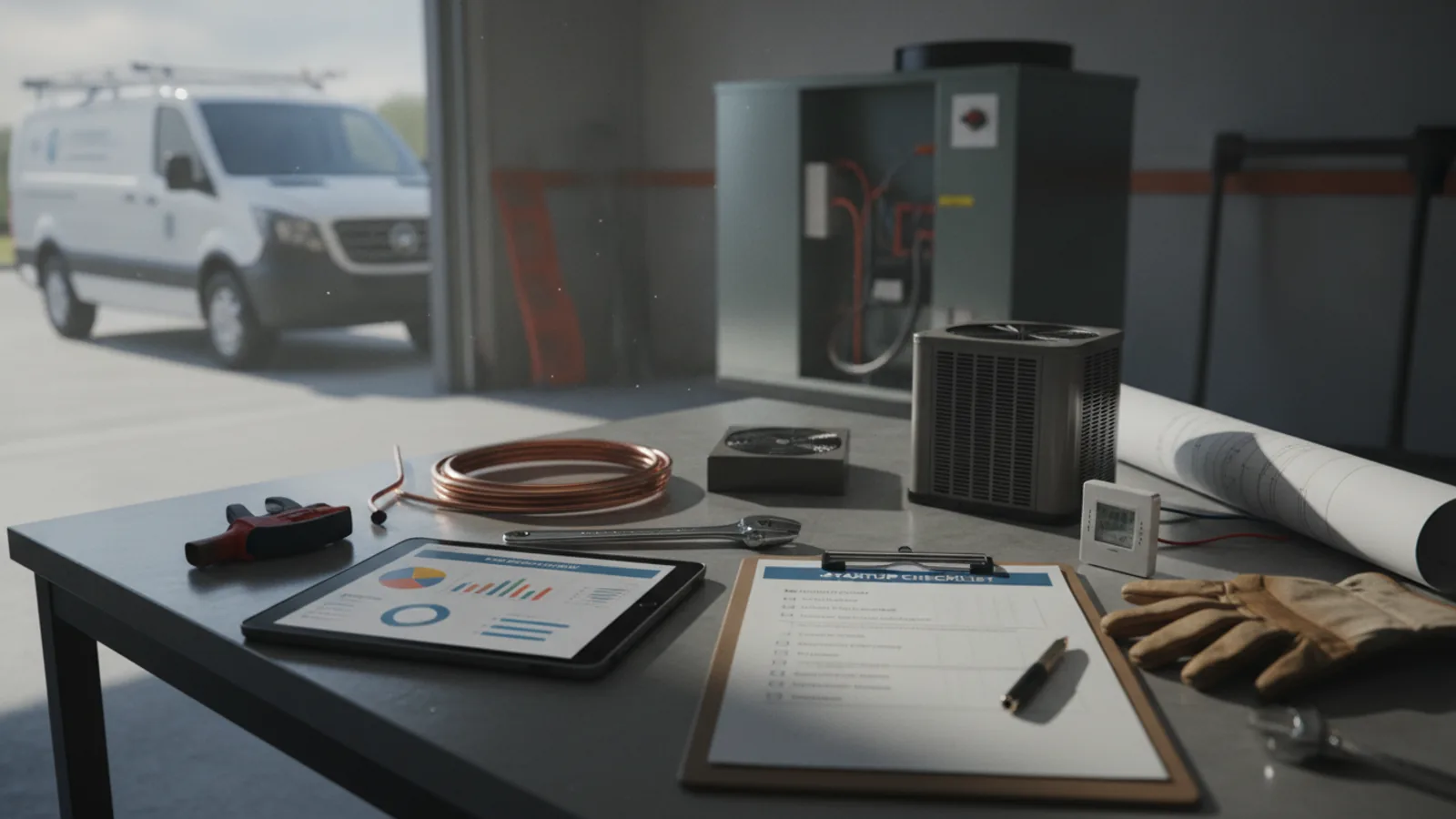
How To Start A Heating And Air Conditioning Business
This guide explains how to approach how to start a heating and air conditioning business, including the preparation, practical steps, common mistakes, and final checks that help you finish with confidence.
Before You Start
Step-by-Step Instructions
Quick Reference
Common Problems When You Start A Heating And Air Conditioning Business
Starting any business comes with hurdles. For an HVAC company, some common issues include:
- Lack of Proper Certification: Operating without the correct F-Gas or Gas Safe registrations can lead to severe penalties, loss of reputation, and endanger clients. Always keep certifications up-to-date and accessible.
- Underestimating Startup Costs: Many new business owners don't fully account for the expense of quality tools, a reliable vehicle, comprehensive insurance, initial marketing, and unexpected delays. This can lead to cash flow problems early on.
- Difficulty in Finding Skilled Technicians: The HVAC industry often faces a shortage of experienced and certified professionals. Recruiting and retaining qualified staff can be challenging and costly.
- Poor Marketing and Customer Acquisition: Without an effective strategy to reach potential clients, even the best services won't get noticed. Relying solely on word-of-mouth in the beginning can make growth slow.
- Cash Flow Management Issues: Especially in the early stages, managing the balance between incoming payments (often after a job is complete) and outgoing expenses (payroll, supplies, fuel) can be tricky. Delayed payments from clients can exacerbate this.
- Intense Competition: The HVAC market can be competitive. Standing out from established companies requires excellent service, competitive pricing, and a strong brand identity.
- Seasonal Demand Fluctuations: HVAC work often has peak seasons (e.g., boiler repairs in winter, air conditioning installations in summer). Managing workload and income during off-peak times requires careful planning.
Advanced Tips for How To Start A Heating And Air Conditioning Business
Once your business is stable, consider these advanced strategies to help it grow and stand out:
- Specialise in a Niche: While offering a broad range of services can attract more clients, specialising can make you an expert in a specific area. This could be renewable heating solutions (like heat pumps), commercial refrigeration, smart home HVAC integration, or high-end residential installations. Specialisation often allows for premium pricing and less direct competition.
- Offer Maintenance Contracts: Beyond one-off repairs and installations, offer annual or bi-annual service contracts. These provide a predictable recurring revenue stream and help build long-term customer relationships. They also allow you to schedule work during off-peak seasons, smoothing out demand.
- Invest in Energy-Efficient Technologies: The demand for energy-efficient and environmentally friendly solutions is growing in Great Britain. By becoming experts in installing and maintaining heat pumps, smart thermostats, and advanced ventilation systems, you can appeal to a broader, more conscious customer base. Offer energy audits to show clients how they can save money and reduce their carbon footprint.
- Utilise Advanced Field Service Management Software: Move beyond basic scheduling tools. Comprehensive FSM software can manage everything from customer records and job history to parts inventory, vehicle tracking, and automated invoicing. This improves efficiency, reduces administrative burden, and enhances the customer experience.
- Focus on Customer Retention and Referrals: It's often cheaper to keep an existing customer than to acquire a new one. Implement a strong follow-up system, provide exceptional service, and consider loyalty programmes. Encourage satisfied customers to leave reviews and offer incentives for referrals.
- Build Strong Supplier Relationships: Develop good relationships with your HVAC equipment and parts suppliers. This can lead to better pricing, faster delivery, and access to new products or training, giving you a competitive edge.
How To Start A Heating And Air Conditioning Business FAQ
How much does it cost to start a heating and air conditioning business in the UK?
Startup costs can vary significantly but generally range from **£10,000 to £50,000 or more**. This includes expenses for essential training and certifications (F-Gas, Gas Safe), a commercial vehicle, specialist tools and equipment, insurance, business registration, and initial marketing. Larger operations or those with a wider service offering will naturally require more capital.
Do I need specific qualifications to operate an HVAC business in Great Britain?
Yes, absolutely. For any work involving refrigerants (like in air conditioners and heat pumps), **F-Gas Certification is legally mandatory**. If you plan to work on gas boilers or other gas appliances, you (or your engineers) must be **Gas Safe registered**. Additionally, an NVQ Level 2 or 3 in Heating and Ventilation or Refrigeration and Air Conditioning is highly recommended and expected in the industry.
How long does it typically take to get an HVAC business off the ground?
From initial planning to being fully operational and attracting your first clients, it can take anywhere from **6 to 12 months**. This timeframe accounts for gaining necessary qualifications, registering your business, securing funding, purchasing equipment, and setting up your marketing. The exact time depends on how quickly you complete each step.
What types of insurance are essential for an HVAC business?
The most crucial types are **Public Liability Insurance**, which covers claims if your business causes injury or property damage to a third party, and **Employer's Liability Insurance**, which is a legal requirement if you employ anyone. You should also consider commercial vehicle insurance, tools insurance, and potentially professional indemnity insurance.
How can I find my first customers for my new HVAC business?
Start with a strong online presence, including a professional website and a **Google My Business profile** to appear in local searches. Use local advertising (online and offline), network with local builders, property managers, and estate agents, and leverage social media. Offering initial discounts or special promotions can also help attract early clients. Always ask satisfied customers for reviews and referrals.
Final Checklist for How To Start A Heating And Air Conditioning Business
- ✓ **Complete Your Business Plan:** Have a clear idea of your services, market, and finances.
- ✓ **Obtain All Required Qualifications:** Secure F-Gas Certification and any relevant NVQs or Gas Safe registration.
- ✓ **Register Your Business Legally:** File with Companies House and HMRC according to your chosen business structure.
- ✓ **Secure Comprehensive Insurance:** Ensure you have Public Liability and Employer's Liability (if applicable) insurance.
- ✓ **Secure Funding:** Have sufficient capital for startup and initial operating costs.
- ✓ **Acquire Essential Tools and a Commercial Vehicle:** Ensure all equipment is fit for purpose and certified.
- ✓ **Establish Your Brand and Marketing Materials:** Create a website, logo, and a plan to reach customers.
- ✓ **Set Up Operational Processes:** Implement systems for scheduling, quoting, invoicing, and customer service.
- ✓ **Recruit Qualified Staff (if needed):** Verify all employee qualifications and certifications.
- ✓ **Network and Build Relationships:** Connect with suppliers, other trades, and community members.